
How to Avoid Tourist Scams in Italy: A Smart Traveler’s Guide
Italy is one of the most beautiful and welcoming countries in the world, but like any popular destination, tourist-heavy areas can attract scams. The good news is that Italy is generally very safe, and with a bit of awareness, you can easily avoid most problems.
This guide will help you recognize the most common tourist scams in Italy and show you how to enjoy your trip with confidence, clarity, and peace of mind.
Why Tourist Scams Exist in Italy
Scams tend to appear where tourism is dense: major cities, transportation hubs, and iconic landmarks. Rome, Florence, Venice, and the Amalfi Coast attract millions of visitors each year, making them prime locations for opportunistic behavior.
Scammers rely on:
Confusion
Time pressure
Language barriers
Tourists’ desire to be polite
Awareness is your strongest defense.
Most Common Tourist Scams in Italy
1. The “Friendship Bracelet” Scam
Common near landmarks such as the Colosseum or Duomo areas. Someone offers you a bracelet “as a gift,” ties it on your wrist, then demands money.
How to avoid it:
Politely but firmly say “No, grazie” and keep walking. Do not stop or engage.
2. Fake Petition or Charity Scam
Someone asks you to sign a petition for a cause, often using a clipboard. While you’re distracted, they pressure you for a donation or attempt pickpocketing.
How to avoid it:
Do not sign anything in public spaces. Legitimate organizations do not solicit this way.
3. Overpriced or Fake Taxi Rides
Unofficial taxis may approach tourists at airports or train stations, offering rides at inflated prices.
How to avoid it:
Use only official taxis (white with a taxi sign) or pre-book transfers. In Rome, fixed fares apply from airports to the city center.
4. Restaurant Tourist Traps
Some restaurants near major attractions inflate prices, add hidden fees, or serve low-quality food to tourists.
How to avoid it:
Check menus carefully, avoid places with aggressive hosts, and look for restaurants frequented by locals. Always confirm prices before ordering.
5. Pickpocketing in Crowded Areas
Pickpocketing is the most common issue, especially on public transport and in crowded tourist spots.
High-risk areas include:
Metro lines
Buses
Train stations
Busy piazzas and markets
How to avoid it:
Keep bags zipped, avoid carrying valuables in back pockets, and stay alert in crowded areas.
Location-Specific Tips
Rome
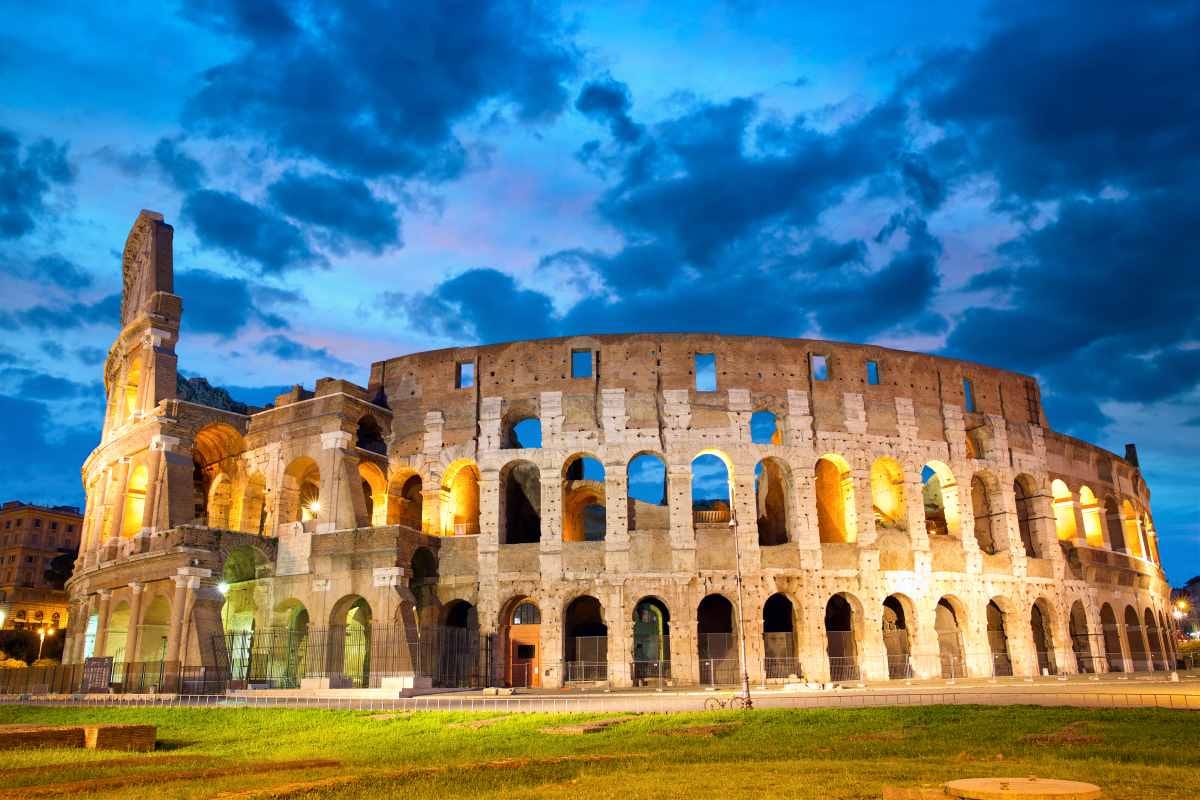
Be extra cautious near the Colosseum, Termini Station, Vatican area, and busy metro lines.
Amalfi Coast & Positano
Watch for overpriced transport offers and unofficial port services. Always confirm boat and taxi prices before boarding.
Florence & Venice
Avoid street vendors near monuments and be cautious of restaurants without visible pricing.
Smart Travel Habits That Prevent Scams
Do not accept unsolicited help or gifts
Avoid sharing personal information
Use licensed guides and services
Trust your instincts — discomfort is a warning sign
Plan transportation and experiences in advance
Why Planning Matters
Many scams happen when travelers are:
Rushed
Tired
Lost
Unprepared
Having a clear plan, trusted contacts, and reliable local support significantly reduces risk and stress.

HEY, I’M LADEA…
LADEA EXPERIENCE Blog is a free resource dedicated to sharing practical travel tips, local insights, and honest recommendations for exploring Italy — whether you’re traveling on a small, medium, or high budget. Our goal is to educate, inspire, and help travelers experience Italy smarter, better, and stress-free through real local knowledge.


JOIN MY MAILING LIST

Created by © 2026 Wealth City Marketing Agency